
Hospital staffing shortages continue to reshape healthcare across the country, forcing organizations to rethink their workforce strategies, expand partnerships, and find immediate ways to keep patient care stable. These shortages affect every care setting differently, from inpatient units and procedural floors to emergency departments and outpatient clinics. When not addressed quickly, they can lead to burnout, extended wait times, and inconsistent coverage across critical services.
Hospitals now treat workforce stability as a core operational priority. Addressing hospital staffing shortages takes a mix of long-term planning, flexible staffing support, and strategic partnerships with agencies that understand clinical demands. Junxion Med Staffing works directly with hospitals facing gaps in essential departments, helping them maintain continuity across nursing, allied health, and provider roles.
Why Hospitals Face Staffing Shortages Today
A combination of pressures contributes to ongoing hospital staffing shortages — rising patient acuity, increased procedural volume, early retirements, and a competitive hiring environment. Many facilities experience turnover in high-intensity departments such as the OR, cath lab, women’s services, and critical diagnostic areas. Others face gaps due to seasonal spikes or expanded service lines without enough permanent staff to support them.
Hospitals often need immediate solutions to keep units open, prevent service disruptions, and protect care quality. The national healthcare staffing crisis pushed many leaders to adopt more agile staffing approaches that support both short-term and long-term stability.
Internal Strategies Hospitals Use to Stabilize Staffing
Before looking externally, many hospitals adjust internal processes to reduce gaps and support existing staff.
Cross-Training and Skill Expansion
Hospitals may invest in cross-training opportunities within similar specialties. For example, surgical services teams may cross-cover between main OR, endoscopy, and sterile processing to reduce downtime.
Float Pools and Resource Teams
Large systems build internal float pools to place experienced clinicians where the need is highest. These internal teams help reduce dependency on outside help during mild or temporary staffing fluctuations.
Shift Incentives and Retention Packages
Some hospitals introduce incentive pay, retention bonuses, mental-health programs, and increased scheduling autonomy to maintain coverage without adding pressure to the existing workforce.
These strategies help, but when shortages escalate or become prolonged, internal measures alone cannot support full operations. That’s when hospitals turn to outside staffing options.
How Temporary Staffing Helps Hospitals Maintain Stability

When hospitals face urgent gaps, flexible workforce models play a critical role. Many facilities rely on temporary healthcare staffing to preserve patient safety and avoid service disruptions.
Travel clinicians extend essential support to inpatient and outpatient departments experiencing persistent hospital staffing shortages, allowing hospitals to keep operating at capacity even during unexpected surges.
Why Travel Professionals Are Essential
Travel nurses, allied health travelers, advanced practice providers, and locum physicians provide immediate workforce support. Hospitals use this relief to:
- Maintain full OR boards
- Keep cath and IR suites running
- Support mother-baby units and labor and delivery
- Provide consistent imaging and diagnostic coverage
Junxion Med Staffing connects facilities with travelers who already have extensive specialty experience, reducing onboarding strain on permanent staff.
Using Medical Staffing Agencies to Bridge Critical Gaps
Strategic partnerships with medical staffing agencies for hospitals allow facilities to secure talent across multiple departments without slowing down operations. Agencies with strong clinical networks can respond faster than traditional hiring pipelines, especially for specialized roles.
Junxion Med Staffing offers targeted staffing solutions across:
- OR
- Cath lab
- Labor & Delivery
- Radiology
- Surgical Technology
- Advanced Practice Providers
- Physicians in high-demand fields
This support allows hospitals to continue functioning safely even with ongoing hospital staffing shortages, helping maintain quality scores and patient satisfaction metrics.
How Hospitals Address Specialty-Specific Shortages
Different clinical teams require different staffing strategies. Hospitals tailor their response based on the pressure points inside their system.
OR & Perioperative Services
Operating rooms face some of the highest turnover rates due to long hours, high acuity, and the specialized skill set required. Short-term clinical staffing for OR RNs, surgical techs, anesthesia providers, and PACU teams helps facilities avoid case cancellations and revenue loss.
Cath Lab & Interventional Suites
High-acuity cardiovascular units rely heavily on experienced RNs, RTs, and technologists. Facilities use nurse staffing shortage solutions to stabilize these teams and prevent delays in critical procedures.
Women’s Services
Labor and delivery requires consistent staffing to support safety protocols and patient experience expectations. Travel clinicians fill gaps quickly during volume spikes.
Radiology and Diagnostic Imaging
Diagnostic departments face significant hiring challenges, making allied health staffing challenges a priority for hospital leadership. Travel imaging professionals help maintain coverage for essential studies.
How Workforce Management Strategies Support Long-Term Stability
Addressing hospital staffing shortages isn’t only about filling today’s schedule. Hospitals also invest in structural improvements that reduce future burnout and turnover.
Data-Driven Scheduling
Analytics help predict staffing needs based on census trends, seasonal patterns, and service-line growth.
Pipeline Development
Hospitals build relationships with academic programs, offering internships, sponsorships, and mentorship programs to attract future staff.
Leadership Development
Investing in unit-level leaders increases staff retention and improves communication during periods of change.
These hospital workforce management strategies ensure hospitals stay competitive and support clinicians throughout their careers.
Why Hospitals Rely on Travel Nurse Staffing Support
Travel clinicians remain a cornerstone of modern hospital staffing models. Many facilities use travel nurse staffing support to avoid mandatory overtime, reduce stress on their permanent teams, and maintain safe nurse-to-patient ratios.
Travelers step into active units with minimal orientation, supporting:
- High-traffic med-surg units
- Specialized procedural suites
- Mother-baby and L&D
- Step-down and telemetry
- Critical care
Junxion Med Staffing sends clinicians with verified experience, strong references, and the adaptability required to integrate smoothly into new environments.
How Hospitals Choose Which Staffing Partner to Trust
Hospitals rely on agencies that understand clinical operations, credentialing requirements, and specialty-specific workflows. Junxion Med Staffing partners closely with department leaders to create staffing plans aligned with census, skill mix, and long-term goals.
Facilities choose partners based on:
- Quality of candidate screening
- Speed of submission
- Experience in high-demand specialties
- Compliance and credentialing strength
- Transparent communication
This ensures travelers support — not strain — the hospital ecosystem.
What the Future of Hospital Staffing Looks Like
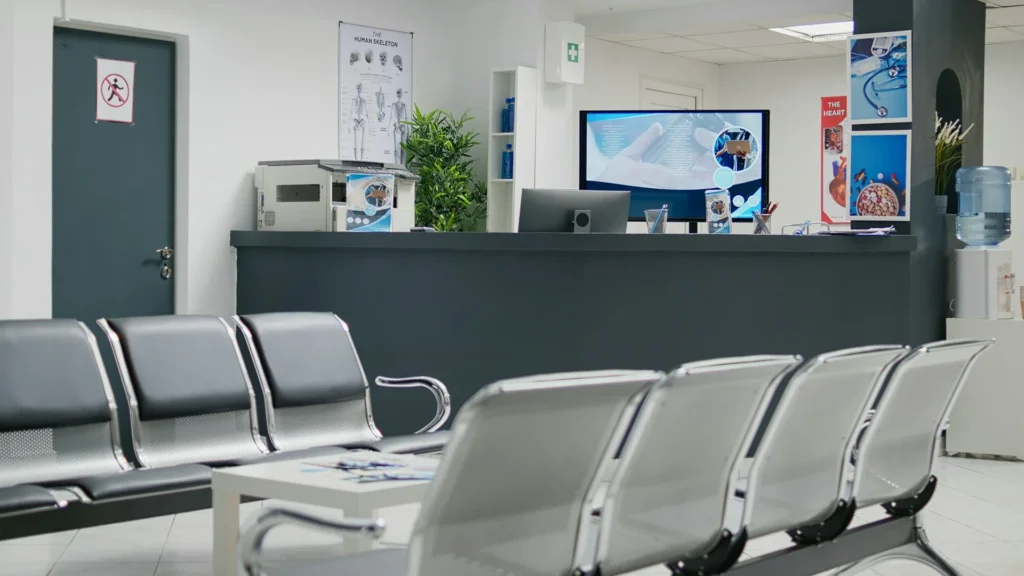
Healthcare continues evolving, and so do the pressures shaping hospital staffing shortages. Leaders foresee greater reliance on flexible staffing, stronger retention programs, and deeper partnerships with agencies who understand the complexity of hospital operations.
As workforce expectations change, travel clinicians remain a critical resource in navigating the healthcare staffing crisis. Hospitals that plan proactively — and partner strategically — will be best equipped to maintain stability through shifting patient needs.
Frequently Asked Questions
Why are hospital staffing shortages becoming more common?
Rising patient acuity, clinician burnout, retirements, and an evolving workforce all contribute to ongoing shortages in many specialties.
Do temporary clinicians lower the quality of care?
No. When properly vetted, travel and locum professionals provide essential support, helping departments maintain safe staffing levels.
How quickly can a hospital fill a position?
Travel clinicians and locum providers can often be placed in days, offering the fastest relief during urgent staffing gaps.
Which departments rely most on travel support?
OR, cath lab, women’s services, radiology, and procedural areas often use travel staff to maintain consistent operations.
Partner With Junxion Med Staffing to Navigate Staffing Shortages
Junxion Med Staffing works closely with hospitals facing hospital staffing shortages, offering immediate and long-term solutions across nursing, allied, APP, and physician roles. Our teams understand the demands of clinical environments and provide professionals who support patient care from day one.
If your facility needs dependable staffing support, Junxion Med Staffing is ready to help you strengthen your workforce and maintain high-quality care.

 and then