One of the biggest myths in travel healthcare is that nurses always out-earn allied health professionals. It’s the kind of thing that gets repeated so often people assume it’s true. But when you look at the actual 2026 numbers, the picture is a lot more nuanced than most people think.
Let’s compare real pay data for travel allied health vs. travel nursing and break down what actually drives the differences.
Travel Nursing Pay in 2026: The Numbers
Travel nursing pay varies significantly by specialty. Here’s what we’re seeing across our most popular nursing roles:
Travel RN (Med-Surg, Tele): ,127/week average | Range: ,800-,500
ICU RN: ,289/week average | Range: ,900-,800
ER RN: ,150-,400/week average
Cath Lab RN: ,200-,600/week average
L&D RN: ,100-,500/week average
The highest-paid nursing travelers tend to be those in ICU, Cath Lab, and CVOR specialties, roles that require critical care experience and additional certifications.
Travel Allied Health Pay in 2026: The Numbers
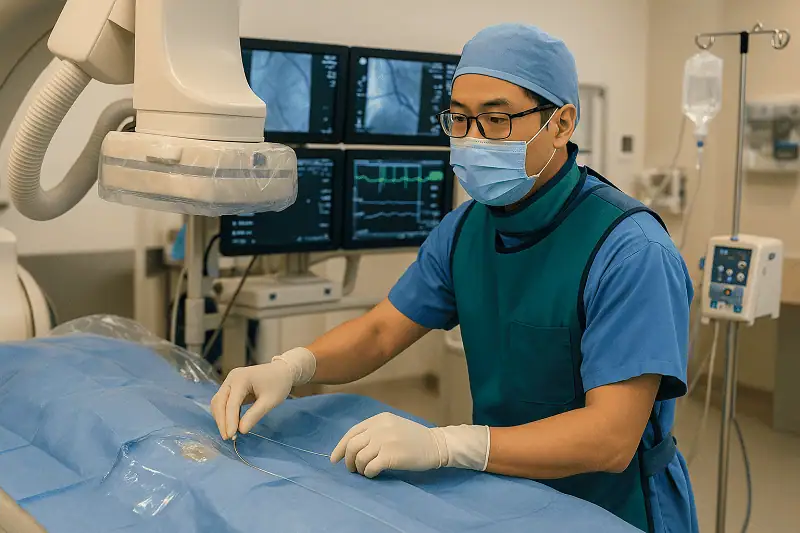
Now here’s where things get interesting. Allied health pay has been climbing steadily, and some specialties are now matching or exceeding nursing rates:
Radiology Tech: ,045/week average | Range: ,700-,400
Echo Tech: ,189/week average | Range: ,800-,600
Cath Lab Tech: ,234/week average | Range: ,850-,700
CT Technologist: ,045/week average | Range: ,700-,400
Surgical First Assistant: ,200-,800/week average
Look at those Cath Lab Tech and Echo Tech numbers. They’re right in line with, and sometimes above, what ICU and ER nurses are making. Surgical First Assistants are often the highest-paid allied health travelers, period.
Why Allied Health Pay Has Caught Up
A few factors are driving this trend:
Supply is tight. There are fewer allied health travelers than travel nurses. Imaging programs, surgical tech programs, and cath lab training pipelines produce fewer graduates each year compared to nursing schools. When supply is low and demand is high, pay goes up.
Specialization commands premium. Allied health roles often require highly specialized training and equipment competency. A Cath Lab Tech who knows Siemens and Philips systems is worth more than a generalist because the skill set is harder to replace.
Hospitals can’t run without allied health. An OR can’t operate without a Surgical First Assistant. An imaging department shuts down without CT and MRI techs. A cardiac cath lab is a very expensive room that sits empty without techs. Facilities know this, and they’re willing to pay accordingly.
The Full Picture: Beyond Weekly Pay
Weekly pay isn’t the only factor. Consider these when comparing travel nursing to travel allied health:
Contract availability. Nursing contracts are more plentiful overall. There are simply more facilities hiring travel nurses than travel allied health in absolute numbers. But allied health contracts are growing, and in specialties like Cath Lab and imaging, there’s no shortage of work.
Schedule and call. Many allied health travel contracts include on-call requirements, especially Cath Lab and surgical roles. That on-call pay can boost your weekly earnings significantly, but it also means less predictable time off. Nursing contracts vary, ICU typically doesn’t have call, but OR and Cath Lab RN roles might.
Physical demands. Both fields are physically demanding, but the nature of the work differs. Allied health roles like Sterile Processing involve repetitive motion and standing for long periods. Surgical roles require stamina for long cases. Nursing roles vary from high-physical ICU work to more assessment-focused NP roles.
Which Path Is Right for You?
If you’re already in your field, the answer is simple: travel in your specialty and maximize your earning potential. The data shows that both nursing and allied health offer strong pay for travelers in 2026.
If you’re considering a career pivot or just starting out, the allied health path deserves serious consideration. Programs are shorter than nursing school in many cases, the pay is competitive, and the demand is growing. Sterile Processing Tech is one of the fastest entry points into travel healthcare, and from there you can build toward higher-paying specialties.
At Junxion Med Staffing, we staff both nursing and allied health, and we give allied health the same attention and priority that most agencies reserve for nurses only. That’s because our founder came from the allied health side and knows firsthand how it feels to be treated like a second-class traveler. Not here.
Ready to find your next travel assignment? Talk to a Junxion recruiter, your recruiter is one call away.

 and then